Loading...
Serving Livermore, CA and surrounding areas. (925) 409-3685
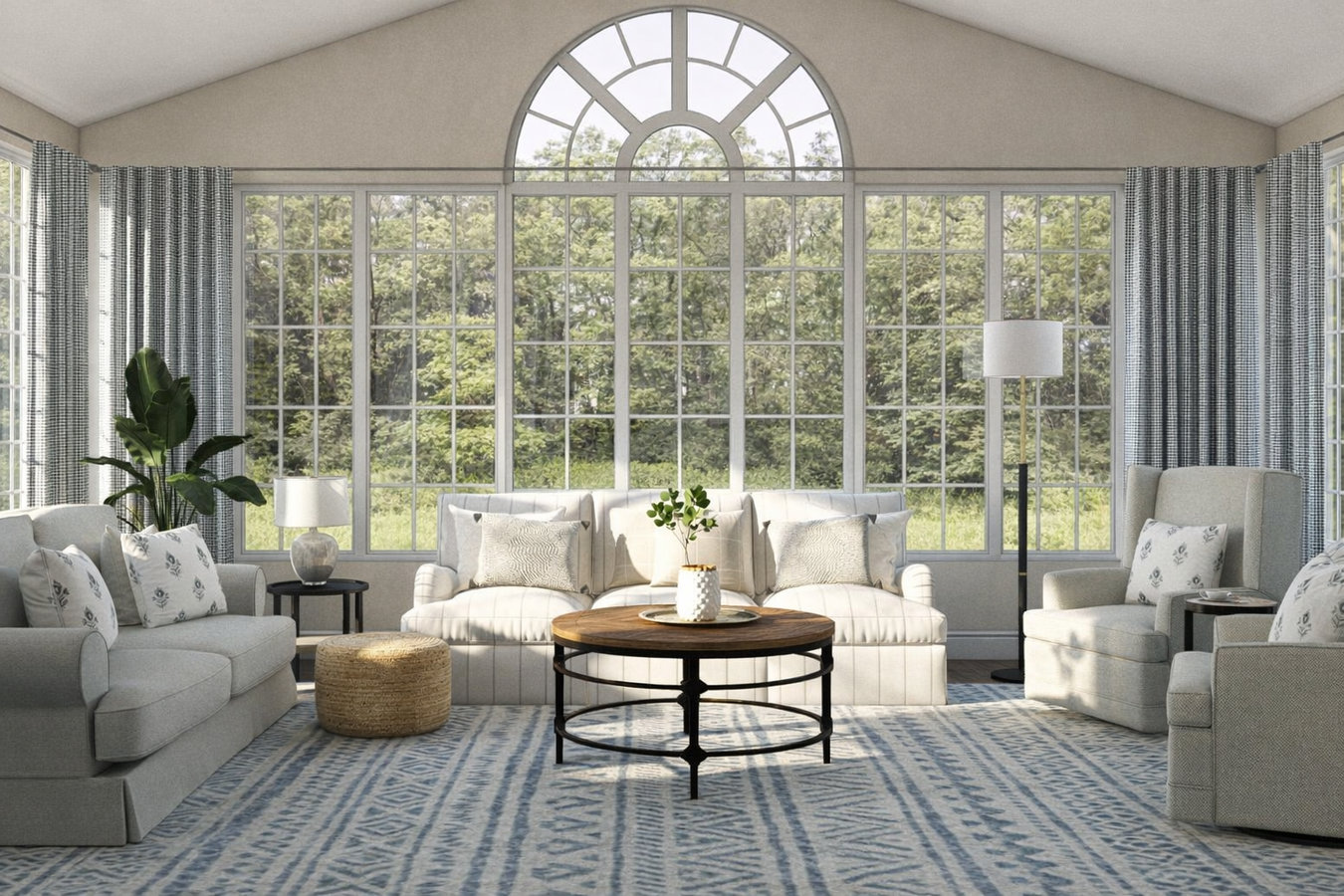
Most Livermore sunrooms fail in the design phase - wrong glass, wrong orientation, no plan for the heat. We design sunrooms that stay comfortable through the summer and hold up to California seismic requirements, with permits and HOA approvals handled from the first call.
Sunroom design in Livermore means assessing your home's orientation, foundation conditions, and HOA rules before a single material is chosen - most projects take eight to fourteen weeks from first call to a finished, inspected room, with the design and permit phase accounting for the majority of that time.
The design phase is where most of the value is created - or lost. Livermore's intense summer heat, clay soil, and proximity to active fault lines all shape what a sunroom needs to be built with and how it connects to your existing home. A contractor who shows up with a catalog and a price list before walking your property is skipping the work that determines whether your sunroom is comfortable or miserable. Good design starts with your specific lot, your sun exposure, and how you plan to use the space - then the materials follow. Many homeowners who want a fully realized, built-from-scratch space pair our design process with our custom sunrooms service to build exactly what they have in mind.
The permit and seismic anchoring requirements are not optional details - they are design inputs. Any sunroom in Livermore must be engineered to meet California's earthquake safety standards, which affects how the room connects to your home and how its foundation is built. We handle the permit application with the city's Building Division and, if your neighborhood requires it, the HOA architectural review submission, so you are not navigating that process alone.
If your patio or deck sits empty during Livermore's long hot summers because it is simply too hot to be comfortable, a sunroom solves that problem. A well-designed sunroom with proper glass and shading gives you a place to enjoy the outdoors without being cooked by the afternoon sun. If you have been avoiding your backyard for months at a time, a covered, climate-managed space would change how you live in your home.
If your family has outgrown your current layout - you need a home office, a playroom, a reading nook, or a place to entertain that is not the kitchen - a sunroom can add that space without the cost and disruption of a full home addition. Many Livermore homeowners find that a sunroom becomes the room that finally makes their home feel right-sized.
South- and west-facing walls in Livermore get the most sun exposure, which makes them ideal locations for a sunroom - but only if the design accounts for that exposure. If the back of your house gets blasted with afternoon light and heat, a properly designed sunroom with the right glass can capture that light without the heat, turning a problem wall into your favorite room.
If you already have a screened porch or older enclosed patio that leaks cold air, collects moisture, or feels disconnected from the rest of your home, that is a sign the original construction was not done to a standard that holds up over time. A professionally designed sunroom replaces that frustration with a room that is properly sealed, properly insulated, and properly integrated with your home's structure.
Our design process starts with a site walk - we look at sun angle, yard drainage, how the addition will connect to your home's interior, and what your existing foundation can support. Glass selection comes next, because in Livermore's climate this is the single most important decision you will make. Modern insulated glass panels with low-emissivity coatings block infrared heat while still letting in visible light, which is what separates a room you live in daily from one you avoid from June through September. Homeowners who want a fully enclosed, climate-controlled space built to the highest comfort standard often ask us about our vinyl sunrooms option, which uses low-maintenance vinyl framing paired with the same high-performance glass we specify across all our designs.
The design also determines how heating and cooling will work in the finished room. Deciding this during the design phase costs a fraction of what retrofitting it later costs. Options include extending your existing HVAC system, adding a mini-split unit, or using radiant floor heat - the right choice depends on the room's size, orientation, and how you plan to use the space year-round. Homeowners who want a broader look at the custom options available - including roof configurations, door styles, and floor materials - can explore everything through our custom sunrooms service before locking in a final design.
Suits homeowners who want a budget-friendly enclosed space for spring through fall use and do not need full climate control.
Suits homeowners who want a fully insulated, climate-controlled room they can use comfortably on any day of the year.
Suits homeowners who want maximum natural light through glass roof panels and are prepared to manage climate carefully.
Suits homeowners who want heating and cooling integrated into the design from day one rather than added as an afterthought.
Livermore sits inland in the Tri-Valley and regularly hits temperatures above 95 degrees from June through September - some years pushing past 105. A sunroom designed without high-performance insulated glass and thoughtful shading becomes unbearably hot during the months most homeowners want to use it. The glass and shading decisions made in the design phase are the difference between a room you live in daily and one you avoid for four months. Beyond heat, Livermore sits near the Calaveras and Greenville fault systems, which means every sunroom addition must be engineered and anchored to meet California's seismic requirements - this shapes how the room connects to your home's structure and how the foundation is designed. Homeowners in Pleasanton and Danville face the same Tri-Valley heat and seismic conditions, and we apply the same design standards across the region.
Livermore's housing stock skews toward ranch-style single-story homes built from the 1960s through the 1990s. These homes often have wide rear yards and rooflines that make sunroom additions relatively straightforward - but older homes in this range may have foundation conditions or wall framing that needs assessment before a sunroom can be attached. A contractor who inspects the existing structure before designing the addition is doing their job correctly. Livermore also has a significant number of planned communities with active HOAs, particularly in the south and east parts of the city. Getting HOA sign-off before pulling a city permit can save you from having to redesign or remove work after the fact.
We ask about how you plan to use the space, your rough budget, and your timeline. Most first calls take 15 to 30 minutes. We respond to every inquiry within 1 business day.
We visit your home to walk the space, measure the build area, and assess sun exposure, drainage, and foundation conditions. Bring photos of sunrooms you like - this is your best chance to shape the design.
After the site visit, we provide a layout, materials overview, and detailed cost estimate. We walk you through every line item so there are no surprises. You sign only when you are satisfied with the design and price.
We submit the permit application to the City of Livermore and handle any HOA architectural review your neighborhood requires. Once the permit is approved, construction typically takes two to four weeks - city inspectors verify the work at key stages.
We visit your home, assess your space, and give you a detailed written estimate - no obligation, no sales pitch.
(925) 409-3685We specify insulated, heat-reflective glass on every project because standard glass fails in Livermore's summers. The glass selection and shading approach are decided before anything else - not treated as an upgrade you can add later.
Livermore sits near the Calaveras and Greenville faults. Every connection point and foundation we design meets California's seismic requirements. The city inspects this work before signing off, so you have independent verification the structure is sound.
We submit the permit application to the City of Livermore's Building Division and help you prepare HOA architectural review materials if your neighborhood requires them. You do not have to chase paperwork or wonder whether your addition is legal.
We provide a written estimate that breaks down every cost before you sign anything. The California Contractors State License Board at cslb.ca.gov lets you verify any contractor's license in two minutes - we encourage you to check ours.
Sunroom design done right is the step that determines whether the finished room is something you use every day or something you regret. We bring local knowledge of Livermore's climate, soil, and permit process together with a straightforward design consultation that starts with your home - not a product catalog. Learn more about sunroom workmanship standards from the National Association of the Remodeling Industry, and verify glass performance ratings through the Efficient Windows Collaborative.
Low-maintenance vinyl-framed sunrooms with high-performance glass, built for Livermore's heat and mild winters.
Learn MoreFully custom sunroom additions built to your specifications - roof style, floor material, glass type, and interior finish.
Learn MorePermit timelines in Livermore mean the sooner you start, the sooner you are enjoying your new room - reach out today and we will get the process moving.