Loading...
Serving Livermore, CA and surrounding areas. (925) 409-3685
Livermore Sunrooms & Patios is a Sunroom Contractor serving Livermore homeowners with sunroom additions, four season rooms, and patio enclosures - and we have been doing it since 2018. Our designs account for Livermore's triple-digit summers and the seismic requirements that apply to every addition built in Alameda County.
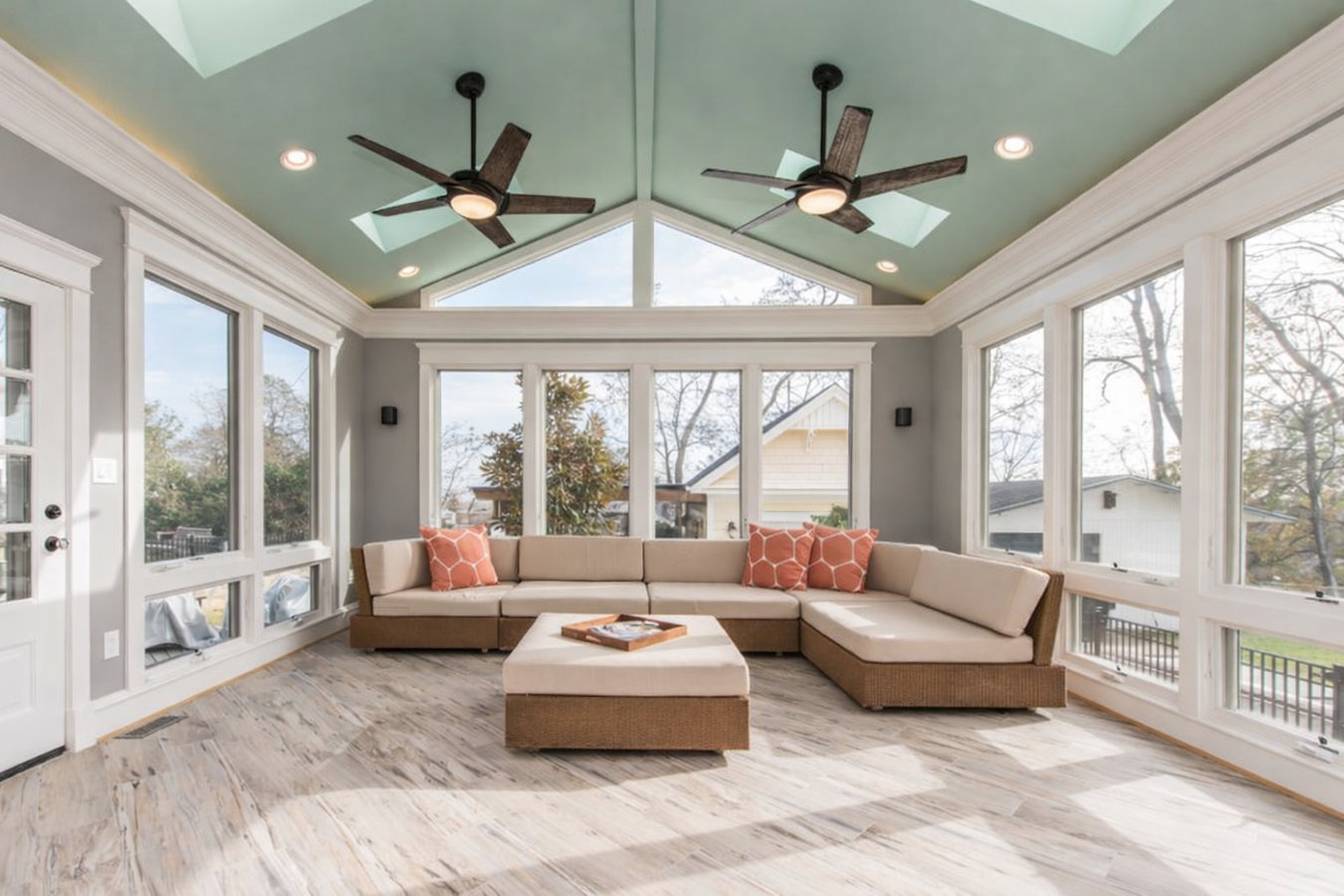
Most Livermore homes were built without a dedicated sunroom, and adding one is the most direct way to gain a year-round living space without a full interior remodel. If you are thinking about a sunroom addition, we design for Tri-Valley heat from the first sketch.
Livermore's summers push past 100 degrees, and a standard sunroom becomes a storage room by July without insulated glass and a proper cooling system. A four season room solves that - fully enclosed, climate-controlled, and usable on the hottest afternoon of August.
The Altamont winds hit Livermore hard on summer afternoons, and an open patio becomes uncomfortable fast. We enclose existing patio slabs with glass or screen panels rated for the wind loads that come through the Altamont Pass corridor.
Livermore's wine country properties and larger lots on the south side of the city often call for something beyond a standard kit. We build custom rooms sized and styled to match your home, your lot, and your HOA's design requirements.
Older Livermore homes sometimes have single-pane sunrooms that were built before energy efficiency standards tightened. Upgrading the glass and seals turns a room you avoid in summer into one you use every day of the year.
Warm Livermore evenings bring out mosquitoes and other insects, and a permanent screen room solves that without blocking the breeze. It is a lower-cost option that still gives you a usable, protected outdoor room for spring, summer, and fall.
Livermore sits inland at the eastern edge of the Tri-Valley, which means summer temperatures regularly reach 95 to 105 degrees - far hotter than most Bay Area cities closer to the coast. A sunroom built without heat-blocking glass and dedicated cooling will be unusable for three months of the year. The same heat that bakes roofing materials and dries out stucco also affects how glass panels perform, which is why the glazing spec matters more here than in cooler parts of California.
Most Livermore homes were built between the 1950s and the 1990s on expansive clay soil that swells in wet winters and shrinks in hot summers. That seasonal movement puts stress on concrete slabs and foundations year after year, and a sunroom built without accounting for it will shift and crack over time. The Calaveras Fault runs close to the city, which means California's seismic building requirements apply here in a real and practical way - every addition must be engineered and anchored to handle ground movement, not just meet paperwork minimums.
We pull building permits through the City of Livermore Community Development Department regularly and know what the building department reviewers look for on residential addition plans. That familiarity saves time on revisions and keeps your project moving without unnecessary back-and-forth.
We work on homes throughout Livermore - from the older ranch homes near the historic downtown core off L Street and Livermore Avenue to the newer two-story subdivisions in the Springtown district and along Portola Avenue. Lawrence Livermore National Laboratory and Sandia National Laboratories draw long-term homeowners to this city, and those homeowners invest in their properties - which means the quality of the workmanship matters and corners do not get cut.
We also serve homeowners just outside Livermore's borders. If you are in Pleasanton or Dublin, we cover those cities too - and the same Tri-Valley conditions apply across the whole area.
We ask a few quick questions - room size, whether you have an existing patio slab, and your HOA status. You will have a rough cost range before anyone drives to your home. We reply within 1 business day.
We visit your property to inspect the slab, assess sun exposure and wind patterns, and talk through design options in person. This is where we confirm whether your existing concrete can support the new structure or whether new footings are needed - and we price accordingly.
We file your building permit with the City of Livermore and handle any required HOA submission. Plan for three to six weeks for permit review - we track the progress and keep you updated so you are not left wondering.
Construction runs two to five weeks. The city inspector visits at key stages, and we walk you through the finished room before we leave - showing you how everything operates and leaving you copies of all permit documents.
We serve homeowners throughout Livermore - from the older ranch homes near downtown to the newer subdivisions in Springtown. Free estimates, permit handling included.
(925) 409-3685Livermore is the easternmost city in the Tri-Valley, home to about 92,000 residents and bordered by the Livermore Valley wine country to the south and east. The housing stock is largely single-family - ranch-style and split-level homes built during the postwar boom years, with newer two-story subdivisions in the north and east parts of the city along Portola Avenue and in the Springtown district. Older homes closer to the historic downtown core on Livermore Avenue date back to the early 1900s and have different structural needs than the tract homes that make up most of the city.
The city is anchored by Lawrence Livermore National Laboratory and Sandia National Laboratories, which bring long-term residents who tend to invest in their homes. The Livermore Premium Outlets on the east side of town serve as a familiar landmark for most residents. We also work regularly in neighboring Pleasanton and Dublin, where we see the same Tri-Valley climate conditions and many of the same property types.
Turn your underused deck into a comfortable year-round living space.
Learn MoreDurable patio covers that provide shade and protect your outdoor area.
Learn MoreFrom ranch homes near downtown to newer subdivisions in Springtown, we know Livermore properties and we design for the Tri-Valley climate.